Easy Six-Pointed Crochet Snowflakes: Free Pattern to Hang
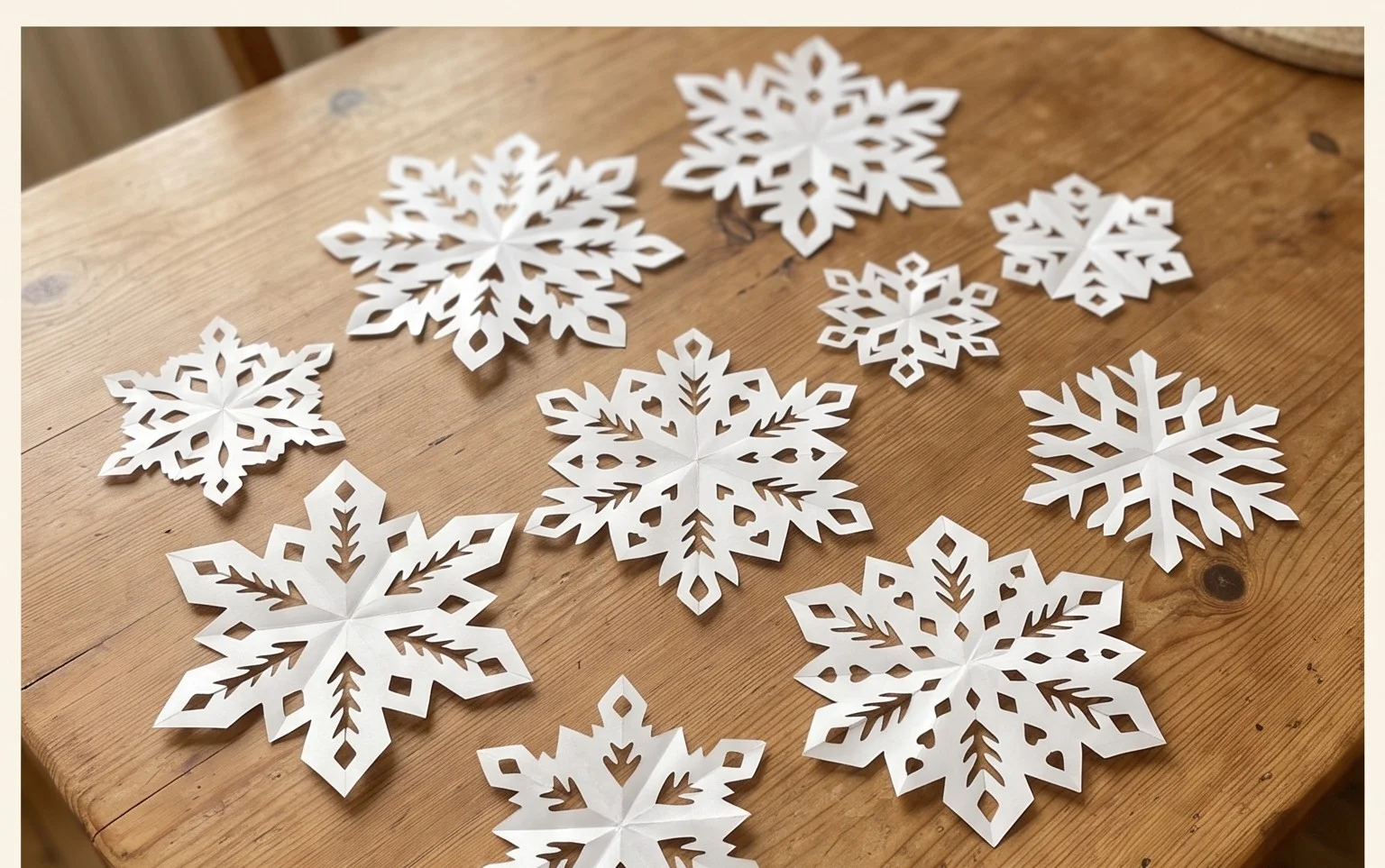
Fine crochet stitches give these six-pointed snowflakes a light, lace-like look, with open spaces between the points that let the shape stand out against a window or a green tree. The finished motif feels delicate but can be made sturdy enough to reuse when you block it and let it dry flat. This project suits beginners who are ready to practice chains and stitch placement, as well as gift makers and anyone who likes handmade winter decor. Each snowflake comes together in a satisfying sequence around a small center, then grows into six distinct arms. The pattern will guide you through the repeating stitches and chain spaces that form the points, with tips for keeping the motif even as you work. Use one shade for a classic look or make a small set in colors that suit your home.
Why You’ll Love This Pattern
A firm cotton fabric makes this crochet dishcloth useful for wiping counters, washing dishes, or drying a small stack of cups. The pattern is worked in single crochet rows, so you can focus on keeping the edges straight instead of learning a complicated stitch repeat.
The cloth is a good first project for practicing even tension and counting stitches. Its simple shape also makes it easy to work on in short sessions, and one skein of cotton can make several cloths if you keep the same yarn and hook size.
“The rows were easy to follow, and I had a useful dishcloth finished by the end of the evening.”
The rows were easy to follow, and I had a useful dishcloth finished by the end of the evening.
— Mara, home crocheter
Pattern Overview & Skill Level
- Skill Level: Beginner. You need to know how to chain and single crochet.
- Approximate Time: About 2–3 hours, depending on your pace and how often you stop to check your stitch count.
- Construction: The dishcloth is worked flat in turned rows from the bottom edge to the top. A short starting chain sets the width, and each row has the same number of stitches.
- Finished Dimensions & Sizing: Approximately 6.25 × 6.75 inches (16 × 17 cm) after washing and drying flat. The finished measurements depend on your tension.
- Gauge: 15 single crochet stitches and 16 rows measure about 4 × 4 inches (10 × 10 cm). Gauge matters for the finished size, but a small difference will not prevent the cloth from working.
Materials & Supplies Needed
- Yarn: About 55–65 yards (50–60 m) of worsted-weight (#4) 100% cotton yarn. Choose one color, or use small amounts of cotton leftovers for stripes.
- Hook Size: 5.0 mm / H-8 crochet hook. If your fabric feels stiff, try a 5.5 mm / I-9 hook; if it feels loose and gappy, try a 4.5 mm / 7 hook.
- Notions: Tapestry needle for weaving in ends, scissors, and a ruler or tape measure for checking gauge. A removable stitch marker can help mark the first stitch of a row.
- Substitutions: Use another absorbent cotton yarn with a similar thickness. Mercerized cotton usually has a smoother, slightly firmer feel, while unmercerized cotton tends to feel softer and more absorbent. A different yarn weight or hook can change the size and fabric density, so make a gauge swatch before starting. Avoid acrylic for a dishcloth that will regularly be used with hot cookware.
Stitch Guide & Abbreviations (US Terms)
- ch: Chain. Yarn over and pull the yarn through the loop on the hook.
- sc: Single crochet. Insert the hook into the stitch, yarn over and pull up a loop, then yarn over and pull through both loops on the hook.
- sl st: Slip stitch. Insert the hook into the stitch, yarn over, and pull through the stitch and the loop on the hook.
- st / sts: Stitch / stitches.
The turning chain does not count as a stitch in this pattern. Work the first single crochet into the first stitch of each row, not into the turning chain. This keeps the stitch count at 25 and helps prevent the sides from gradually narrowing.
Step-by-Step Pattern Instructions
Dishcloth
- Foundation: Ch 26. Keep the chain relaxed so the bottom edge does not pull inward.
- Row 1: Sc in the second ch from the hook and in each ch across. Turn. (25 sts)
- Row 2: Ch 1, sc in each st across. Turn. (25 sts)
- Rows 3–25: Repeat Row 2. At the end of Row 25, do not turn. (25 sts each row)
Finishing
Cut the yarn, leaving a tail of about 6 inches (15 cm). Pull the tail through the loop on your hook to secure it. Thread the tail onto a tapestry needle and weave it through several stitches along the edge. Change direction once, then trim the remaining yarn close to the fabric without cutting a stitch. Weave in the starting tail the same way.
Check that the cloth lies flat. If one edge is tighter than the other, gently stretch the fabric to shape it while damp. For a more uniform result, wash and dry it according to the care directions for your yarn before using it.
Care & Washing Instructions
- Wash cotton dishcloths in warm water, up to 40°C (104°F), with similar colors; use a cooler wash if the yarn label recommends it.
- Reshape the cloth and dry it flat, or tumble dry on low only if the yarn label allows it.
- While damp, smooth the edges and corners by hand; follow the yarn label if it gives different blocking or care instructions.
Pro Tips & Common Mistakes to Avoid
- Keep your tension steady: A tight foundation chain can make the bottom edge narrower than the rest of the cloth. If that happens often, make the chain with a hook one size larger, then switch to the pattern hook for Row 1.
- Count each row: Check for 25 stitches before turning. Place a marker in the first stitch of the row if you have trouble spotting the last stitch near the edge.
- Hide ends securely: Weave each tail through several stitches, change direction, and avoid pulling so tightly that the fabric puckers. Cotton can shift with repeated washing, so do not rely on a tiny knot alone.
- Adjust size with care: To make the cloth wider, add chains to the foundation and work one single crochet into each chain. To make it taller, add rows. Each extra stitch or row uses more yarn, and changing the foundation width can alter the final fabric size.
Frequently Asked Questions
Can I use a different kind of cotton yarn?
Yes. Choose a similar worsted-weight cotton and check the yarn label for washing instructions. A smoother or thinner cotton can make the cloth feel firmer or more open, so crochet a small swatch if you want to compare the fabric before making the full piece.
How can I make the dishcloth larger or smaller?
For a wider cloth, change the starting chain, then work one single crochet into each chain after the second chain from the hook. For a taller cloth, add or remove rows. Keep the same hook and yarn for a similar texture, and allow for additional yardage when you add stitches or rows.
Is this pattern suitable for a first crochet project?
Yes. It uses only chains and single crochet stitches, with no shaping or joining. Count the 25 stitches at the end of each row, and check that you are working into the first and last stitches so the sides stay straight.
May I sell dishcloths made from this pattern?
Check the pattern designer’s terms before selling finished items, and follow any requirements for credit or sales channels. If you are using this written version, check the site’s pattern-use terms as well. Do not claim someone else’s pattern text as your own.
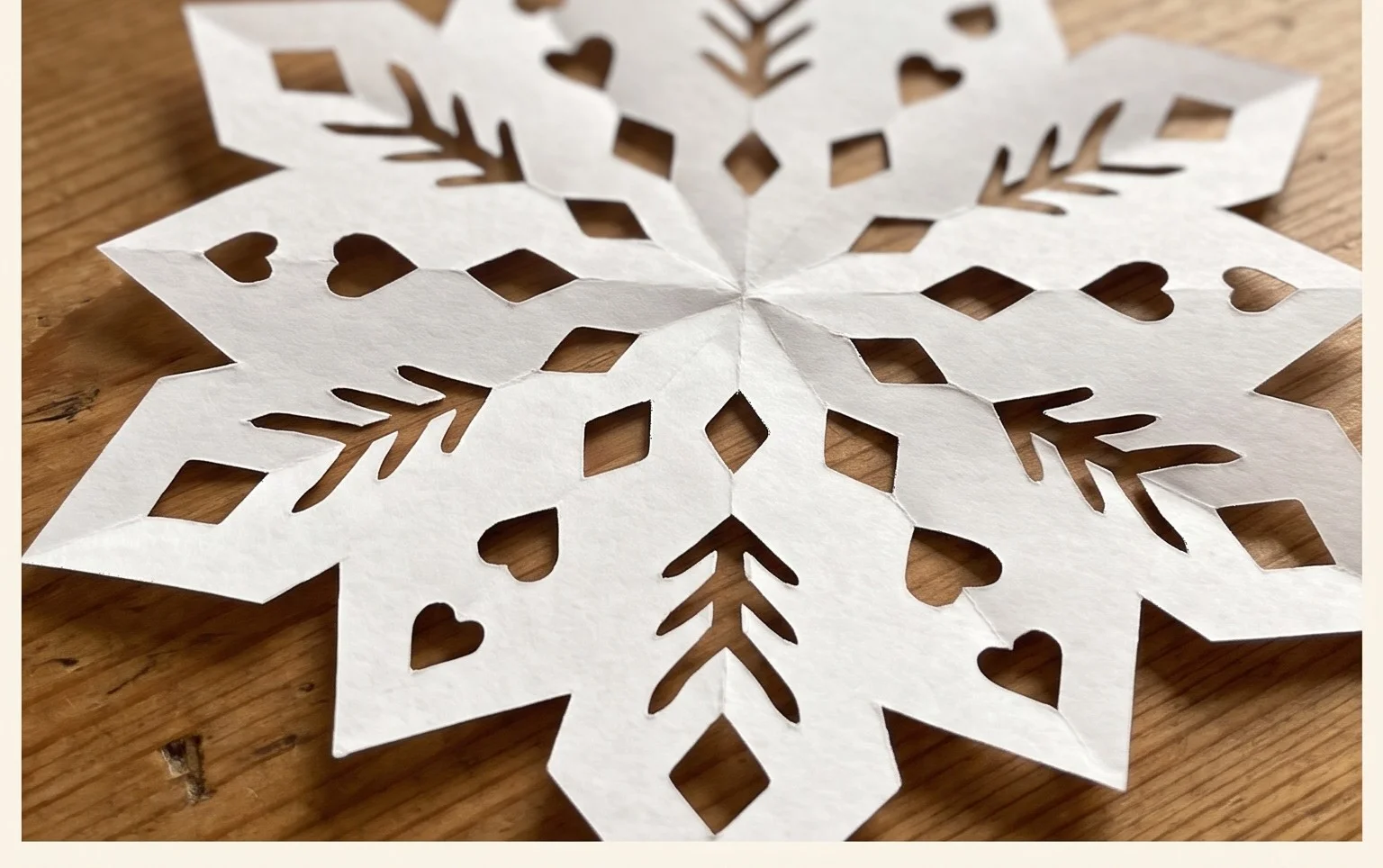
Once the last point is finished and the snowflake has been blocked, you’ll have a crisp little piece of handmade winter decor that is ready for a window, a gift tag, or the tree. Try a second version in metallic thread or a soft seasonal color to give the same pattern a different feel. If you make one, share a photo on Pinterest or your favorite social platform; seeing the yarn and colors you choose is part of the fun. You can also browse the blog for more free crochet patterns to make for your home or to give away.