Crochet Christmas Wind Spinners for a Whimsical Holiday Display
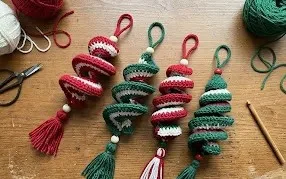
Soft yarn spirals, curling points, and little holiday details give a crochet Christmas wind spinner its lively shape. Hung by a window, on a porch, or near the tree, it can turn gently in a breeze and add a handmade touch to seasonal decorating. These 11 free patterns offer options for beginners who want to practice basic stitches and for experienced crocheters looking for a quick festive project. Most designs use familiar techniques such as chains, single crochet, and increases to create the twisting form, with color changes or small embellishments adding extra character. You can work one in traditional red and green, choose icy white and blue, or use leftover yarn for a playful mix. The finished spinner is satisfying to watch take shape, and it makes a thoughtful handmade gift that is easy to display each December.
Why You’ll Love This Pattern
A firm square of cotton yarn makes a useful coaster for a mug of tea or coffee. This beginner-friendly pattern uses single crochet in straight rows, so you can focus on even tension and consistent edges without learning increases or decreases. It takes about an hour, uses a small amount of yarn, and is easy to keep beside your chair for a short, relaxing project.
The finished coaster is thick enough to catch drips and small enough to make from leftover cotton. A set of four in matching or coordinating colors makes a practical handmade gift. The simple shape also gives you a clear way to practice counting rows and working into both loops of each stitch.
I finished one during an evening and used the stitch-count notes to keep both sides straight. The cotton gives it a nice, sturdy feel.
— Maya, beginner crocheter
Pattern Overview & Skill Level
- Skill Level: Beginner. You need to know how to chain and make a single crochet.
- Approximate Time: 45–75 minutes, depending on your pace and how often you stop to count.
- Construction: A flat square worked back and forth in rows, beginning with a foundation chain. Each row has the same stitch count.
- Finished Dimensions & Sizing: About 5 × 5 in (12.5 × 12.5 cm) when worked to the suggested gauge. The fabric should lie flat without stretching.
Materials & Supplies Needed
- Yarn: About 25 yd (23 m) of worsted-weight cotton yarn, category #4, in one color. Cotton absorbs moisture and tolerates regular washing. A small amount of a second color can be used for a border, but it is not needed for the square.
- Hook Size: 5.0 mm / H-8 crochet hook. Use the size that gives you a firm, flexible fabric rather than loose holes.
- Notions: Tapestry needle for weaving in the ends, scissors, and a ruler or tape measure. A removable stitch marker can help mark the first stitch of each row.
- Substitutions: A similar-thickness cotton or cotton-blend yarn is the closest substitute. Linen or hemp can feel firmer and may soften after washing. Acrylic is less absorbent and may not handle hot mugs as well. A thicker yarn or larger hook makes a bigger, looser coaster; a thinner yarn or smaller hook makes a smaller one.
Make a small gauge check before starting if you want the stated size. Aim for about 4 single crochet stitches and 4 rows per inch (2.5 cm). Crochet fabric varies between makers, so your own tension determines the final dimensions.
Stitch Guide & Abbreviations (US Terms)
- ch: Chain. Yarn over and pull through the loop on the hook.
- sc: Single crochet. Insert the hook into the stitch, yarn over and pull up a loop, then yarn over and pull through both loops on the hook.
- st / sts: Stitch / stitches.
- turn: Turn the work over to begin the next row from the opposite side.
- yo: Yarn over; wrap the yarn over the hook from back to front.
The turning chain does not count as a stitch in this pattern. Work the first single crochet into the first stitch of each row, directly beside the chain, and place the final single crochet in the last stitch.
Step-by-Step Pattern Instructions
Coaster
With worsted-weight cotton and a 5.0 mm hook, make a loose foundation chain. Keep the chain relaxed so the bottom edge does not pull in. If your foundation chain is much tighter than your single crochet rows, try making it with a larger hook, then switch back to the pattern hook.
- Row 1: Ch 21. Sc in the second ch from the hook and in each ch across. Turn. (20 sts)
- Rows 2–20: Ch 1, sc in each st across. Turn. (20 sts in each row)
After Row 20, the piece should measure close to 5 in (12.5 cm) along each side. If it is notably longer or shorter, your gauge differs from the suggested gauge; the square is still usable as long as it lies flat and has an even shape.
Finishing
Fasten off, leaving a tail about 6 in (15 cm) long. Pull the yarn through the final loop to secure it. Thread the tail onto a tapestry needle and weave it through the backs of several stitches along the edge. Change direction once, then trim the excess. Weave in the starting tail the same way. Smooth the corners and edges with your hands. Blocking is optional for cotton, but a light reshaping while damp can help square the sides.
Care & Washing Instructions
- For cotton yarn, wash by hand or machine on a gentle cycle in cool or warm water, up to 40°C (104°F), unless the yarn label gives different directions.
- Press out water in a towel without twisting, then dry flat to help the square keep its shape.
- Reshape the corners while damp; follow the yarn label for any blocking method, especially if the yarn is a blend.
Pro Tips & Common Mistakes to Avoid
- Keep your tension steady, especially in the foundation chain. A tight chain can make the bottom edge shorter than the rest of the square.
- Count 20 stitches at the end of every row. Place a stitch marker in the first stitch if it is hard to spot where the row begins; do not accidentally work into the turning chain.
- Weave in each end through the backs of stitches, changing direction before trimming. This helps prevent the tail from working loose when the coaster is washed.
- To change the size, adjust the starting chain and work the same number of rows as stitches for a square. Each added chain adds one stitch, and each extra row adds height; larger versions use more yarn and take longer to dry.
Frequently Asked Questions
Can I use acrylic yarn instead of cotton?
Yes, but acrylic absorbs less moisture and may be less suitable beneath a hot or wet mug. Choose a smooth worsted-weight yarn and check its care label. The finished size may change if the yarn thickness or your tension differs from the cotton sample.
How can I make this coaster larger or smaller?
For a square, begin with a chain that gives the width you want, then work the same number of rows as there are stitches. Each row contains one fewer stitch than the starting chain because the first chain is skipped. Larger squares require more yarn; smaller ones use less.
Is this pattern suitable for a first crochet project?
Yes. It uses only chains and single crochet stitches, with no shaping or color changes. The main challenge is keeping 20 stitches in every row, so count after each row until the edges look consistent.
May I sell coasters made from this pattern?
Check the designer’s terms before selling finished items, and follow any attribution or quantity limits they specify. If you sell at a market, include the fiber content and care instructions so buyers know how to wash the coaster.
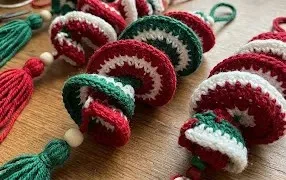
A finished crochet Christmas wind spinner brings a little movement and handmade charm to a window, porch, or holiday tree. If you want to change the look, try a smaller hook and fine yarn for a delicate spinner, or use two contrasting colors so the twists stand out as it turns. Check your tension as you work, since tight stitches can keep the spirals from curling freely. Once yours is ready, share a photo on Pinterest or your favorite social platform so other makers can see your color choices. Then explore more free crochet patterns on the blog for another seasonal project to keep your hook busy.