Easy 2D Easter Crochet Pattern for Beginners | Free
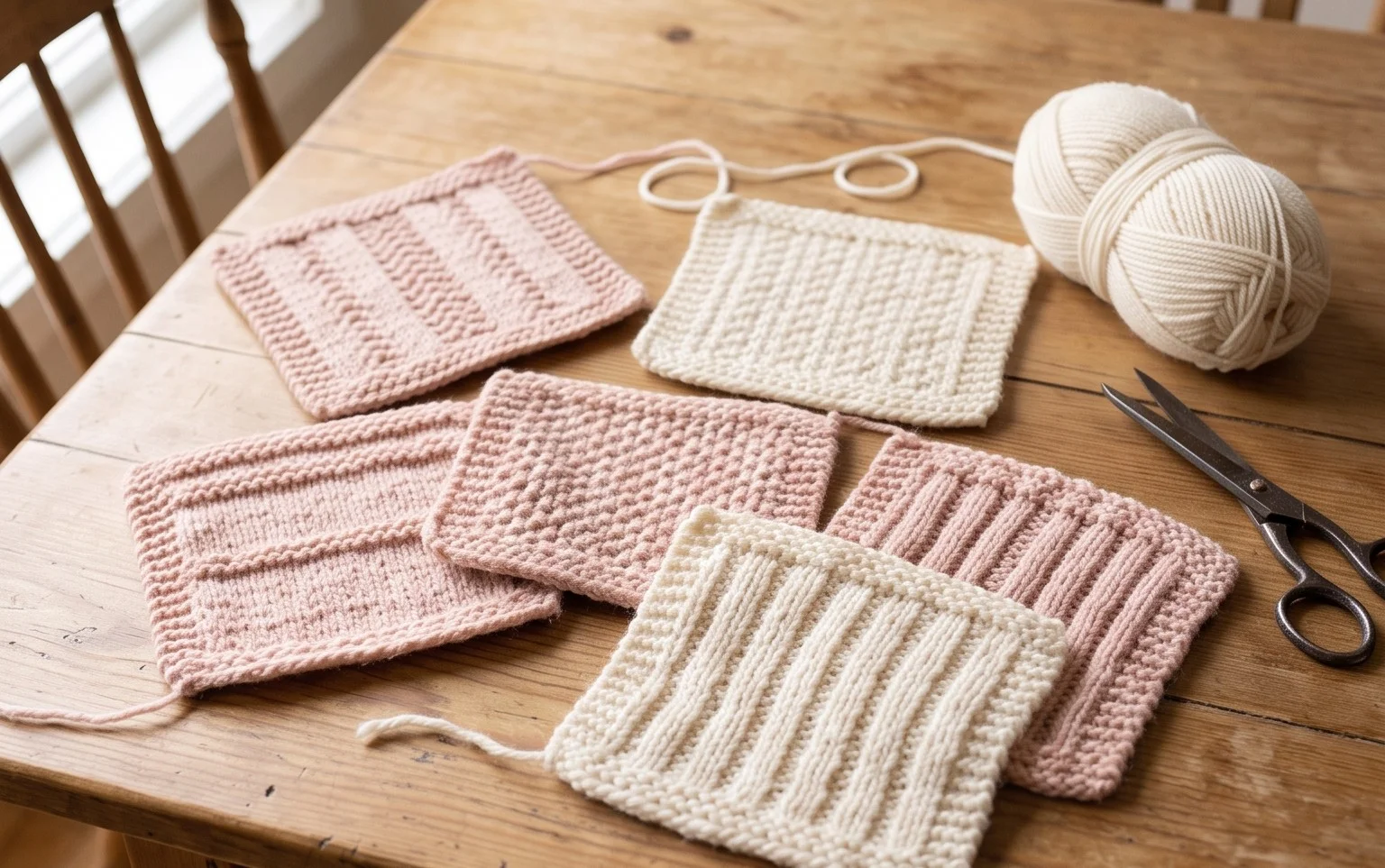
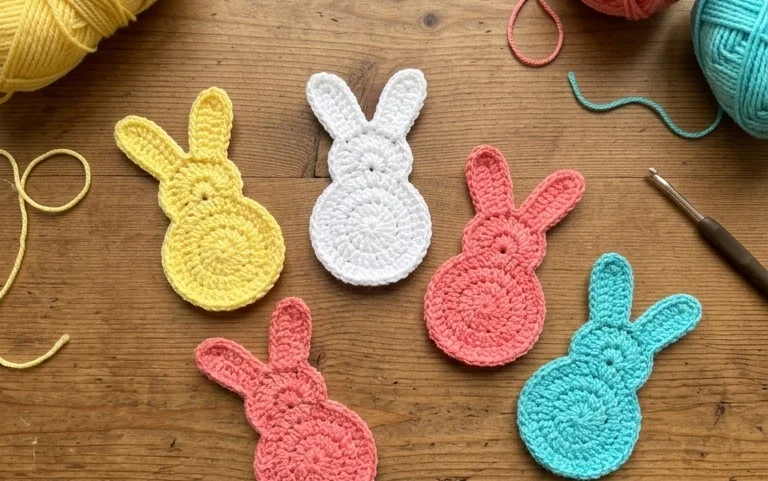
A firm cotton square has a useful place beside the sink, and a pastel version brings a little Easter color to spring cleaning. This flat, 7-inch crochet cloth is worked back and forth in single crochet, so the texture is sturdy and even without complicated shaping or seams. Beginners can practice keeping their edges straight, while gift makers can crochet a few in soft spring shades for a practical handmade present. The repeated rows are simple to pick up between other tasks, and one skein may make several cloths, depending on its yardage. In this pattern, you’ll find the basic materials, gauge, sizing notes, and clear guidance for working the square and weaving in the ends. Use it as a dishcloth or counter wipe, then wash it and bring it back to the kitchen.
Why You’ll Love This Pattern
A firm square of worsted cotton is useful at the sink, easy to wash, and comfortable to hold when you scrub dishes. This beginner-friendly dishcloth uses only single crochet, so you can focus on keeping the edges straight and the fabric even. The repeated rows make it a good project to pick up for a few minutes at a time, and one skein can usually make several cloths depending on its yardage. Make a set in one color for daily use or use leftover cotton for a striped stack.
The sample size is about 7 inches square, a practical size for washing dishes or wiping counters. There are no seams or complicated shaping steps. A crocheter who has made chains and single crochet can finish the cloth with a tapestry needle and a simple invisible weave-in.
The rows were easy to remember, and the cotton made a sturdy cloth that kept its shape after washing.
— Dana, sample maker
Pattern Overview & Skill Level
- Skill Level: Beginner. You need to chain, single crochet, turn, and fasten off.
- Approximate Time: About 2 to 3 hours, depending on your pace and how often you pause to check the edges.
- Construction: A flat square worked back and forth in rows of single crochet, with no border or seaming.
- Finished Dimensions & Sizing: About 7 × 7 inches (18 × 18 cm) when gauge is met. Cotton may relax slightly after washing.
- Gauge: 14 single crochet stitches and 14 rows measure about 4 inches (10 cm). Gauge is less important for function, but it affects the finished size and yardage.
Materials & Supplies Needed
- Yarn: About 70 yards (64 m) of worsted-weight (#4) 100% cotton yarn. Choose one color, or use small amounts of cotton in different colors for separate cloths.
- Hook: 5.0 mm / H-8 crochet hook. If your fabric feels stiff, try 5.5 mm / I-9; a larger hook makes a looser, slightly bigger cloth.
- Notions: Tapestry needle for weaving in the tail, scissors, and a ruler or measuring tape. A stitch marker is optional for marking the first or last stitch.
- Substitutions: Use another worsted-weight cotton yarn with similar care instructions. A cotton-linen blend can make a firm cloth with a slightly rougher feel. Acrylic is less absorbent and may feel slippery when wet, so cotton is the better choice for dishwashing. Thicker yarn or a larger hook increases the size and changes the texture; thinner yarn makes a smaller, lighter cloth.
Stitch Guide & Abbreviations (US Terms)
- ch = chain.
- sc = single crochet. Insert the hook in the indicated stitch, yarn over and pull up a loop, yarn over again, then pull through both loops on the hook.
- st = stitch; sts = stitches.
- turn = rotate the work so the next row is crocheted back across the previous row.
- Fasten off = cut the yarn, draw the cut end through the active loop, and pull gently to secure it.
The turning chain does not count as a stitch in this pattern. Work the first single crochet of each new row into the first stitch, not into the turning chain. This keeps the stitch count at 25.
Step-by-Step Pattern Instructions
Dishcloth
- Row 1: Ch 26. Sc in the second ch from the hook and in each remaining ch across. (25 sts)
- Row 2: Ch 1, turn. Sc in each st across. (25 sts)
- Rows 3–24: Repeat Row 2, working into every stitch across and keeping the turning chain out of the stitch count. (25 sts each row)
- Row 25: Ch 1, turn. Sc in each st across. Fasten off after the last stitch. (25 sts)
Measure the cloth without stretching it. If it is close to 7 inches square, weave the yarn tail through the backs of several stitches with a tapestry needle, change direction, and weave through a few more. Trim the remaining tail close to the fabric without cutting the stitches. If your square is noticeably wider than it is tall, check your row gauge; single crochet rows can be shorter or taller depending on how you make them.
Care & Washing Instructions
- Wash cotton cloths with like colors in a machine on a warm cycle, up to about 40°C (104°F), or hand-wash in warm water with mild detergent.
- Lay flat to dry, or tumble-dry on low if the yarn label allows it; high heat can shrink cotton.
- While damp, smooth the corners and reshape the square by hand. Blocking is optional and usually unnecessary for a dishcloth.
Pro Tips & Common Mistakes to Avoid
- Keep your tension relaxed. Tight single crochet can make the cloth rigid and tiring to work. If the hook is difficult to insert into the stitches, loosen your grip or try the 5.5 mm hook.
- Count the row ends. Check for 25 stitches after each row. If a row has 24, a stitch was likely missed at the edge; if it has 26, you may have worked into the turning chain.
- Make the edges easy to see. Place a marker in the first or last stitch of a row while learning. Remove it before working into that stitch on the next pass.
- Adjust size with the yarn in mind. For a larger cloth, chain more stitches and work more rows, keeping the same number of stitches in every row. A wider or longer cloth uses more yarn, so allow extra yardage rather than relying on the 70-yard estimate.
Frequently Asked Questions
Can I use a different yarn weight?
Yes, but the size and feel will change. A lighter yarn makes a smaller, thinner cloth, while a bulky yarn makes a larger, thicker one and uses more yarn. Check the care label if you want the cloth to tolerate regular washing.
How can I make the dishcloth larger or smaller?
For a wider cloth, add chains to the starting chain, then work one fewer single crochet than the number of chains. For a longer cloth, add or remove rows. Keep the sides square by checking the width as you work and stopping when the length is similar.
Is this pattern suitable for a first crochet project?
Yes. It uses chains and single crochet in straight rows, with no increases or decreases. Count the first row carefully and check the stitch count at the end of each following row to catch edge mistakes early.
May I sell dishcloths made from this pattern?
Check the designer’s terms before selling finished items, and follow any rules that apply to your listing. If you sell them, describe the yarn fiber and care instructions accurately so buyers know how to wash the cloth.
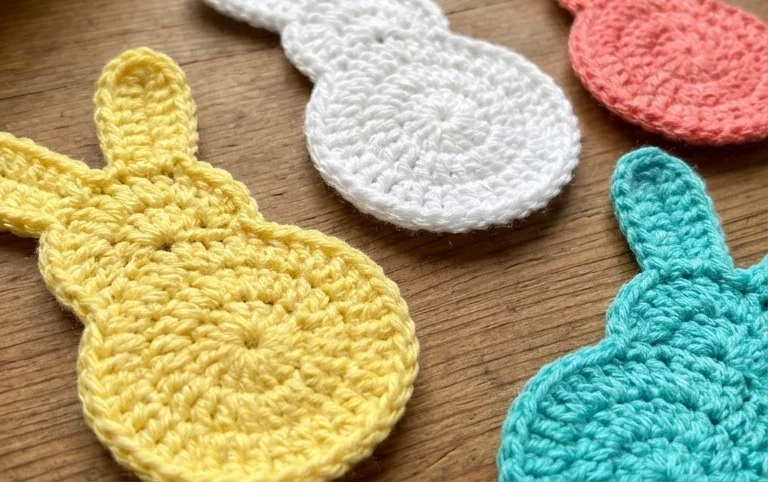
Your finished cotton square is a small, useful Easter-season project, with a firm texture that feels comfortable in your hand and holds up to everyday washing. For a simple variation, crochet the cloth in a pale yellow or mint cotton instead of a single neutral shade; the stitch pattern stays the same, and the spring color gives it a different feel. You could also make a small stack in coordinating colors for a handmade gift. When yours is ready, share a photo on Pinterest or your favorite social media platform so other crocheters can see your color choice. Then explore more free crochet patterns on the blog for your next few quiet rows.