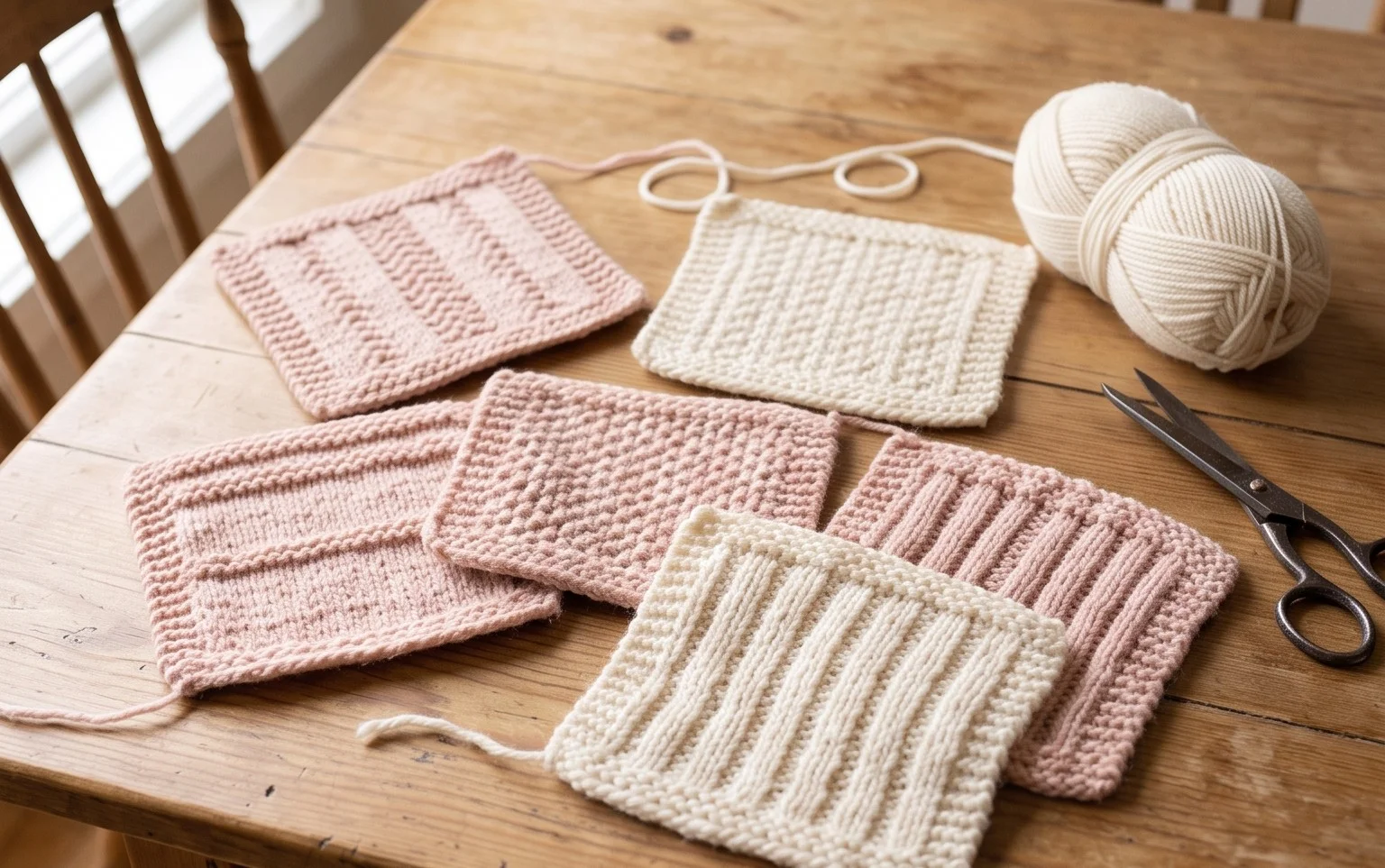
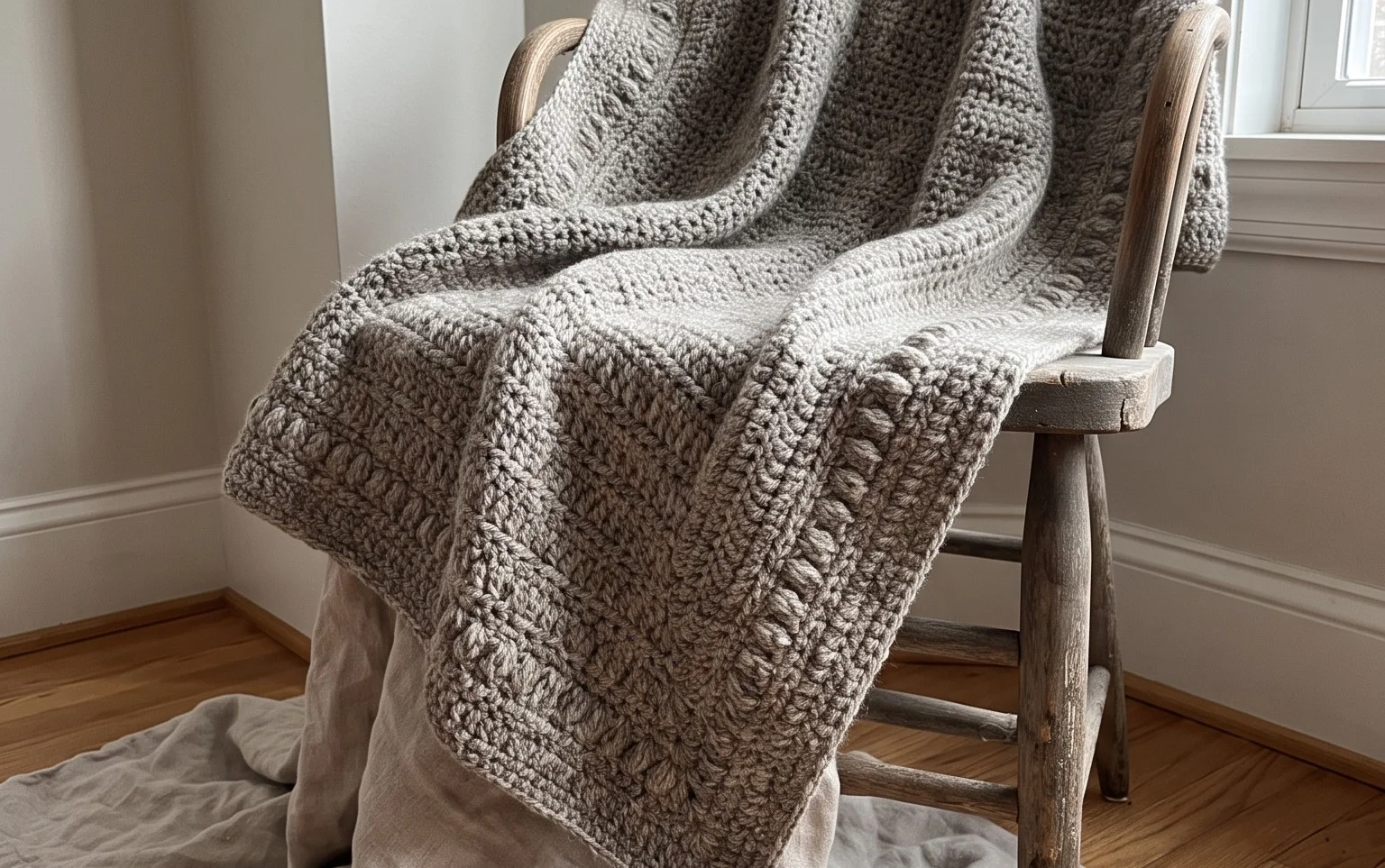
Beginner Christmas Table Decor Crochet Free Pattern
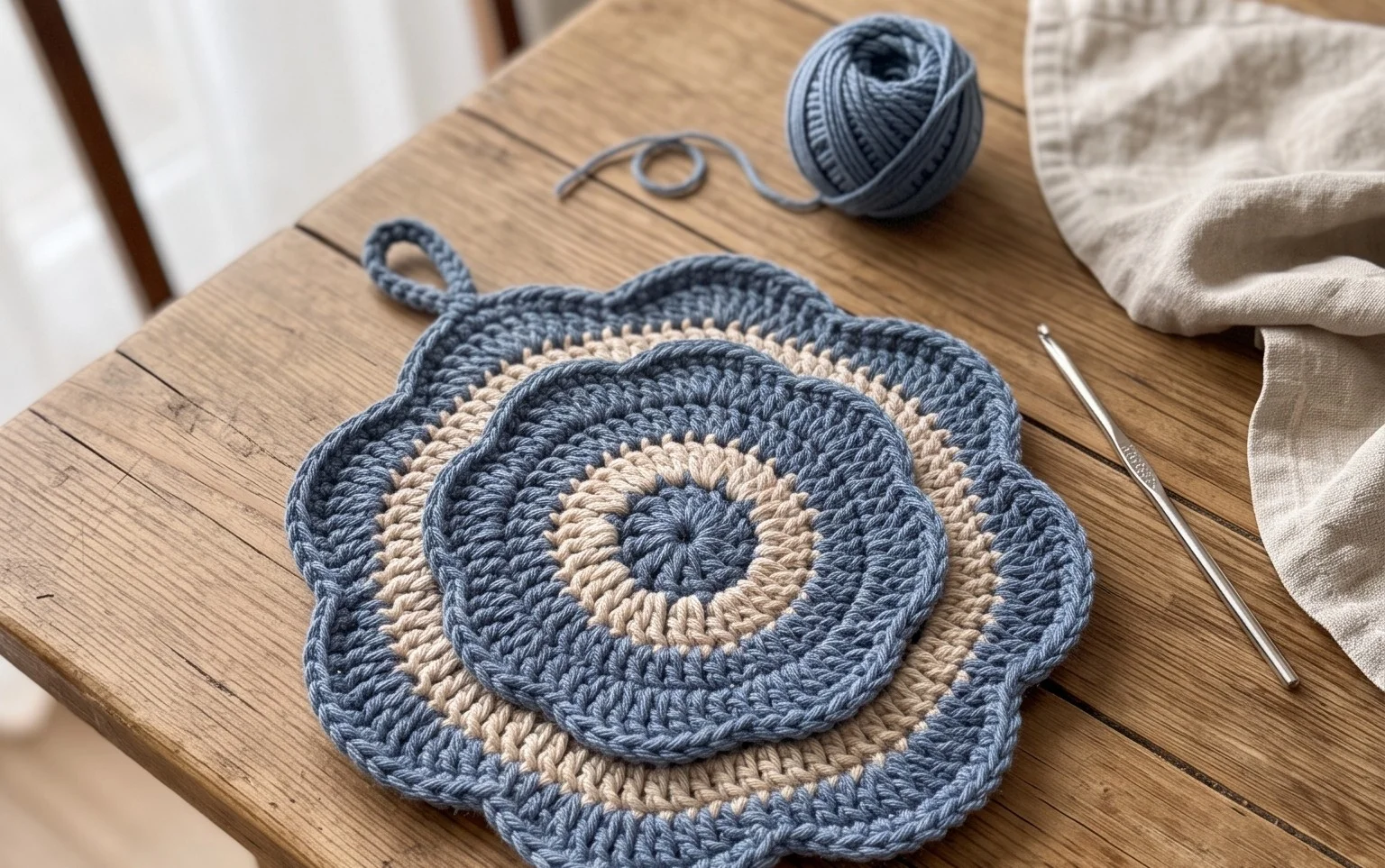
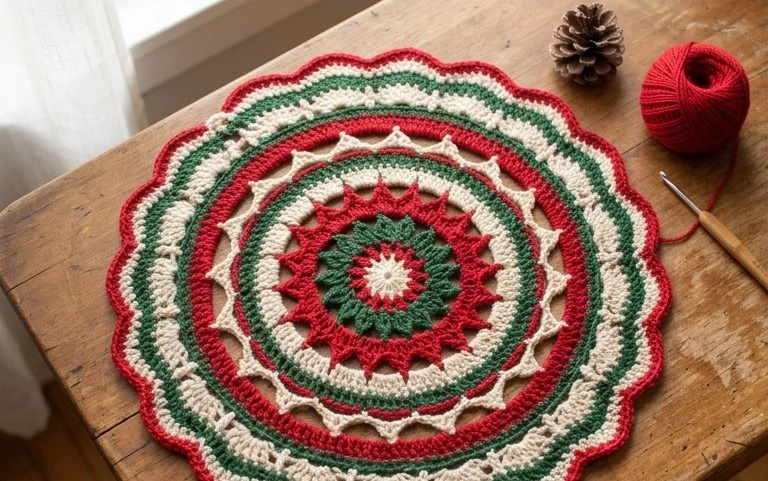
Firm cotton stitches give this small crochet square a useful texture and a neat look on a Christmas table. Worked in single crochet with worsted-weight yarn, it can bring a handmade touch to a place setting, sit beneath a mug, or wait by the sink for after the meal. Red, green, cream, or leftover cotton can make it feel seasonal without changing the simple construction. Beginners can practice steady tension, counting rows, and keeping the edges straight, while gift makers can crochet several in an evening and tie them into a small set. The pattern uses familiar stitches and a flat, back-and-forth shape, so it is easy to pause and pick up again. You’ll find the materials, sizing, and finishing guidance needed to make a sturdy cloth that can be washed and used throughout the season.
Why You’ll Love This Pattern
This square crochet dishcloth uses worsted-weight cotton and rows of single crochet, so the fabric is sturdy, absorbent, and easy to keep track of. The simple shape makes it a useful first project for practicing even edges and consistent tension.
At about 7.5 inches square, it works for washing dishes, wiping counters, or keeping beside the sink as a reusable cloth. One skein can make several, and the plain stitch pattern is easy to pick up again after a break. Choose a color that suits your kitchen or use leftover cotton yarn, provided the fibers and care instructions are compatible.
The rows were easy to count, and the finished cloth has a nice, firm texture. I made another one the next evening.
— Elise, beginner crocheter
Pattern Overview & Skill Level
- Skill Level: Beginner. You need to chain, single crochet, and turn your work.
- Approximate Time: About 2–3 hours, depending on your pace and tension.
- Construction: A flat square worked back and forth in single crochet rows, then finished by weaving in the yarn ends.
- Finished Dimensions & Sizing: Approximately 7.5 × 7.5 inches after washing and drying flat. Gauge is 4 single crochet stitches and 4 rows per inch.
Materials & Supplies Needed
- Yarn: About 75 yards of worsted-weight cotton yarn, commonly labeled medium or number 4. One solid color is enough; a contrasting color can be used for a second cloth.
- Hook Size: 5.0 mm / H-8 crochet hook. If your stitches are loose, try a 4.5 mm hook; if they are tight, try a 5.5 mm hook and check the finished gauge.
- Notions: Scissors, a tapestry needle for weaving in ends, and a ruler or tape measure. Stitch markers are optional but can mark the first and last stitch of a row.
- Substitutions: A cotton-linen blend can work, though it may feel less soft and may drape differently. A cotton-acrylic blend is also usable, but may absorb less water. Avoid fluffy or stretchy yarns for a cloth intended for scrubbing. Changing yarn weight or hook size will change the finished dimensions and the amount of yarn needed.
Make a small gauge swatch before starting if you want the cloth close to the listed size. With the recommended yarn and hook, aim for 4 single crochet stitches and 4 rows in a 1-inch square. The fabric should feel firm without being stiff or difficult to insert the hook into.
Stitch Guide & Abbreviations (US Terms)
- ch: Chain. Yarn over and pull through the loop on the hook.
- sc: Single crochet. Insert the hook into the stitch, yarn over and pull up a loop, then yarn over and pull through both loops on the hook.
- st: Stitch.
- sts: Stitches.
- rep: Repeat.
The turning chain at the beginning of a row does not count as a stitch in this pattern. Work the first single crochet into the first stitch of the previous row, directly below the hook after turning.
Step-by-Step Pattern Instructions
Dishcloth
- Starting chain: Make 31 ch. Keep the chain relaxed so the first row does not pull inward.
- Row 1: Sc in the second ch from the hook and in each ch across. Turn. (30 sts)
- Row 2: Ch 1, sc in each st across. Turn. The ch 1 does not count as a stitch. (30 sts)
- Rows 3–30: Rep Row 2, working 30 sc in every row and turning at the end. (30 sts each row; 30 rows total)
Measure the piece when it lies flat without stretching. It should be close to 7.5 inches wide and 7.5 inches long. If the sides are noticeably wider than they are tall, your row gauge is different from the target; continue until the piece is square, keeping the same 30 stitches in each row.
Finishing
Cut the yarn, leaving a tail about 6 inches long. Pull the tail through the final loop to fasten off. Thread the tail onto a tapestry needle and weave it through several stitches on the wrong side, changing direction once so it stays secure. Weave in the starting tail the same way. Trim the remaining yarn close to the fabric without cutting any stitches.
Wash and dry the cloth before using it. The cotton may relax slightly after washing, and a gentle reshape while damp can help the corners sit square. If the edges look uneven, check that the turning chain was not counted as a stitch and that the first and last stitch of each row were worked.
Care & Washing Instructions
- Wash cotton in warm water, up to 40°C / 104°F, with similar colors; follow the yarn label if it gives a lower limit.
- Lay flat to dry, smoothing the corners and edges while the cloth is damp.
- Reshape by hand rather than stretching; light blocking is optional if the square needs tidier edges.
Pro Tips & Common Mistakes to Avoid
- Keep a steady tension. If the starting chain is tighter than the rows, the bottom edge may pucker; make the chain with a slightly larger hook if needed, then switch back to the recommended hook.
- Count all 30 stitches at the end of each row. A marker in the first and last stitch can help you spot edge stitches, which are easy to miss when turning.
- Do not work into the turning chain. It does not count as a stitch here, so inserting a hook into it can add an unwanted stitch and make the sides slant outward.
- To change the size, add or remove starting chains while keeping the total number of chains one more than the number of stitches you want. Add rows until the piece is square. A wider or larger cloth uses more yarn; for example, increasing both width and length by about 20% raises yarn use by roughly 44%.
Frequently Asked Questions
Can I use acrylic yarn instead of cotton?
You can, but acrylic usually absorbs less water and may not feel as effective for washing dishes. A cotton blend is a closer substitute. Check the yarn label for washing and drying instructions before making the cloth.
How can I make the dishcloth smaller or larger?
For a different width, change the starting chain so it has one more chain than your desired stitch count. Keep the rows the same length as the width for a square, or stop sooner for a rectangular cloth. Larger dimensions use more yarn.
Is this pattern suitable for a first crochet project?
Yes. It uses only chains and single crochet worked in straight rows. The main challenge is keeping 30 stitches in every row, so count before turning and use markers at the edges if you tend to miss the first or last stitch.
May I sell dishcloths made from this pattern?
Check the pattern designer’s terms before selling finished items, and follow any conditions they set. If you sell your work, describe the yarn and care instructions accurately and do not claim the pattern itself as your own.
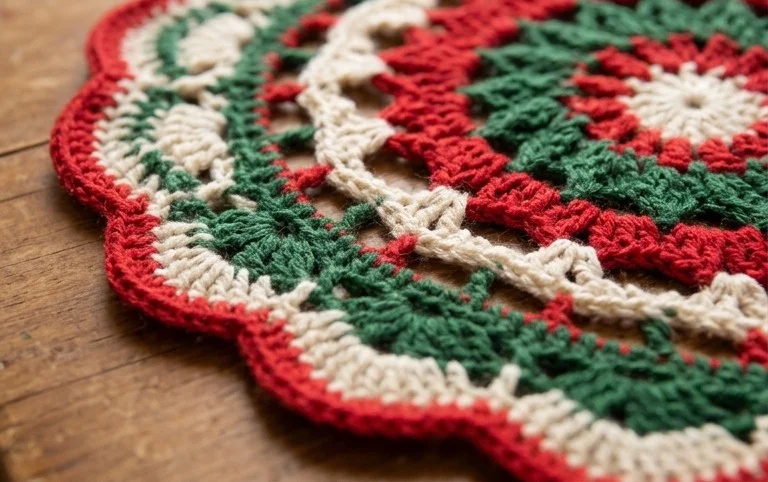
A firm little cotton square can add a handmade detail to the Christmas table, then earn its place by the sink once dinner is over. For a simple variation, work the same pattern in deep red or forest green, or alternate those colors in separate cloths for a coordinated set. Keep the stitches even and weave in the yarn ends securely so the cloth stays tidy through washing. When yours is finished, share a photo on Pinterest or your favorite social platform to show how you chose to use it. Then browse the blog for more free crochet patterns to make for your home or to give as thoughtful handmade gifts.