Rustic Lace Scarf Free Pattern: Easy Step-by-Step Guide
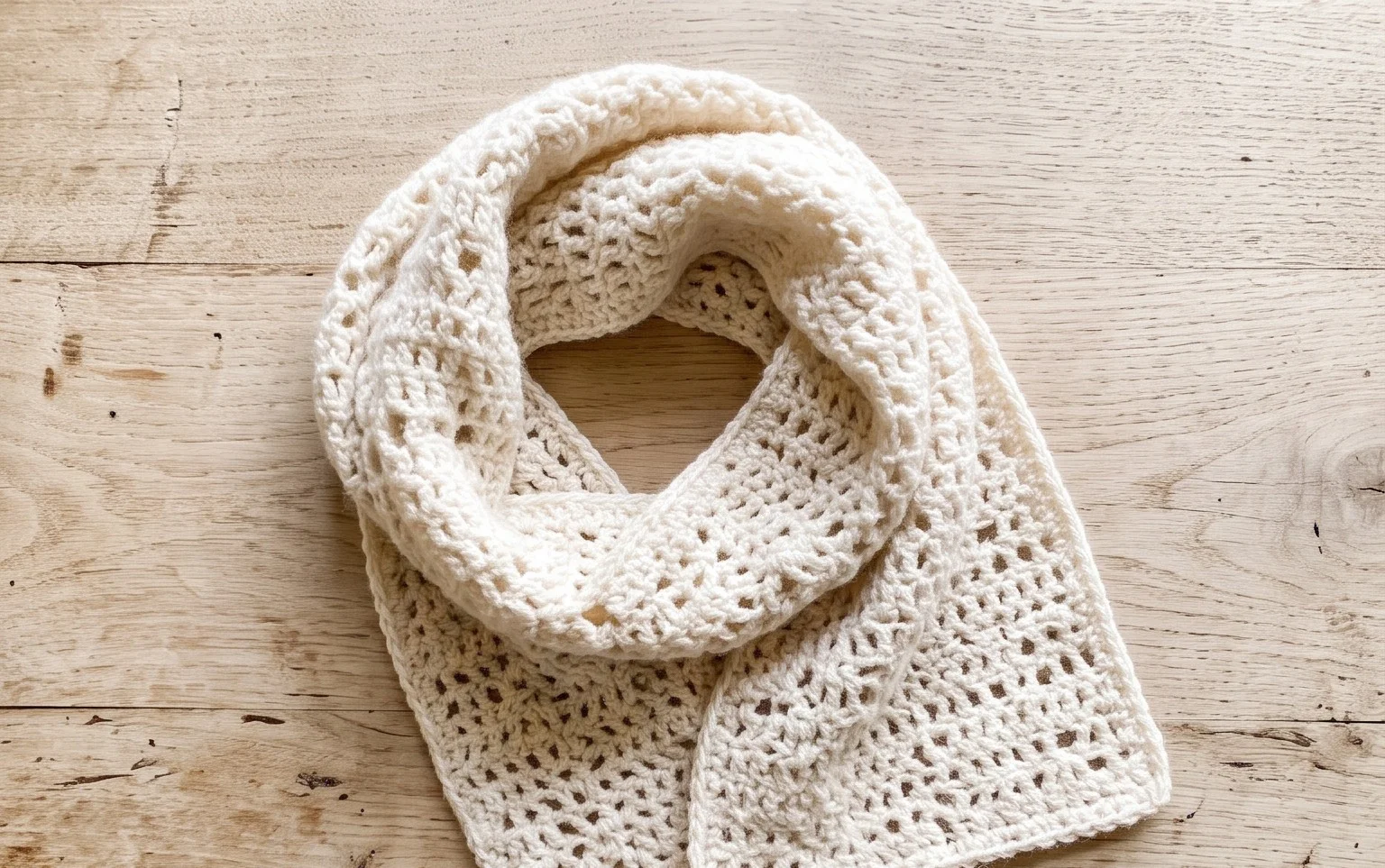
This breezy accessory features an open, airy mesh that drapes beautifully against the neck while providing just enough warmth for brisk autumn afternoons. You will find this design works up surprisingly fast, using simple chains and double crochet stitches that form a consistent, delicate pattern. It suits beginners who are ready to move beyond basic scarves, as well as experienced makers wanting a relaxing, mindless project for their stash of worsted weight yarn. You will learn to manage tension across large rows to maintain a straight edge, resulting in a professional, store-quality finish every single time.
Why You’ll Love This Pattern
This simple cotton dishcloth project works up quickly using basic stitches that create a dense, functional fabric perfect for scrubbing. Because it relies on the linen stitch—also known as the moss stitch—you achieve a woven appearance that is much sturdier than standard double crochet projects. It is an ideal weekend activity for beginners looking to practice tension control or for experienced makers who need a meditative project that requires minimal focus. You can finish a single square in under an hour, making it an excellent way to use up cotton yarn remnants from larger home decor projects.
I managed to finish three of these in one afternoon while watching a movie. The texture is much thicker than my store-bought cloths, and they hold up perfectly in the wash.
— Sarah, home crafter
Pattern Overview & Skill Level
- Skill Level: Beginner
- Approximate Time: 45–60 minutes per dishcloth
- Construction: Worked in flat rows back and forth, starting from a foundation chain
- Finished Dimensions: 8 inches by 8 inches
Materials & Supplies Needed
- Yarn: Worsted weight (#4) 100% cotton yarn, approximately 60 yards per dishcloth. Cotton is required for its high absorbency and heat resistance.
- Hook Size: 5.0 mm (US H-8) crochet hook.
- Notions: Tapestry needle for weaving in ends, scissors, and optional stitch markers to keep track of row edges.
- Yarn Substitutions: You may use a cotton-linen blend for increased durability, though acrylic or wool yarns are not recommended as they lack the absorbency and heat resistance necessary for cleaning tasks.
Stitch Guide & Abbreviations (US Terms)
- ch = chain
- sc = single crochet
- sk = skip
- st(s) = stitch(es)
- Linen Stitch: A pattern of working sc into a ch-1 space from the previous row, followed by a chain stitch to create the next space.
Step-by-Step Pattern Instructions
Dishcloth Body
- Foundation: Ch 31.
- Row 1: Sc in the 4th ch from the hook, *ch 1, sk 1 ch, sc in the next ch; repeat from * across. Turn. (15 sc, 14 ch-1 spaces).
- Row 2: Ch 2 (counts as sc and ch-1), sk the first sc, sc in the first ch-1 space, *ch 1, sk the next sc, sc in the next ch-1 space; repeat from * across, ending with a sc in the turning ch-space. Turn. (15 sc, 14 ch-1 spaces).
- Rows 3–30: Repeat Row 2 until the piece measures approximately 8 inches square.
Finishing
Fasten off the yarn, leaving a 6-inch tail. Use your tapestry needle to weave the tail back and forth through the stitches on the wrong side of the cloth to secure it. Trim the excess yarn close to the fabric, being careful not to cut the stitches themselves. For a cleaner appearance, stretch the cloth slightly and pin it flat on a blocking mat or towel to ensure the edges are perfectly straight while it air dries.
Care & Washing Instructions
- Machine wash in warm water on a gentle cycle to prevent excessive fraying.
- Tumble dry on low heat or lay flat on a clean surface to air dry completely.
- Reshape the square while damp if it loses its form during the wash cycle to ensure it sits flat on your counter.
Pro Tips & Common Mistakes to Avoid
Maintain consistent tension throughout your rows, as cotton yarn has very little stretch and can easily lead to a “tighter” or “looser” fabric if your grip changes. Use a stitch marker on the first and last stitch of every row to ensure you are not accidentally dropping stitches at the edges, which is the most common reason for a dishcloth that ends up looking like a trapezoid instead of a square. If you wish to make the cloth larger, simply increase your foundation chain by an even number of stitches to maintain the linen stitch pattern; keep in mind that this will increase your total yardage requirement. Weave your ends in multiple directions—horizontally and vertically—through the thickest parts of the stitches to ensure they do not pull out during frequent laundering.
Frequently Asked Questions
Can I use a different yarn weight for this pattern?
While you can use DK or bulky weight yarn, you will need to adjust your starting chain and row count to reach the desired 8-inch width. Ensure you match your hook size to the recommendation on the yarn label to maintain the correct drape.
Is this project suitable for a total beginner?
Yes, this pattern uses only single crochet and chains. It is a frequent first-time project because it teaches you how to maintain consistent edges and count your stitches accurately.
Can I sell the dishcloths I make from this pattern?
You are welcome to sell finished items created from this pattern. I only ask that you credit the design to this tutorial and use your own photographs when listing your products online.
Why does my dishcloth look uneven on the sides?
Uneven edges usually result from skipping the final stitch or accidentally adding an extra one at the end of a row. Always count your single crochets after each row to ensure you have exactly 15 stitches.
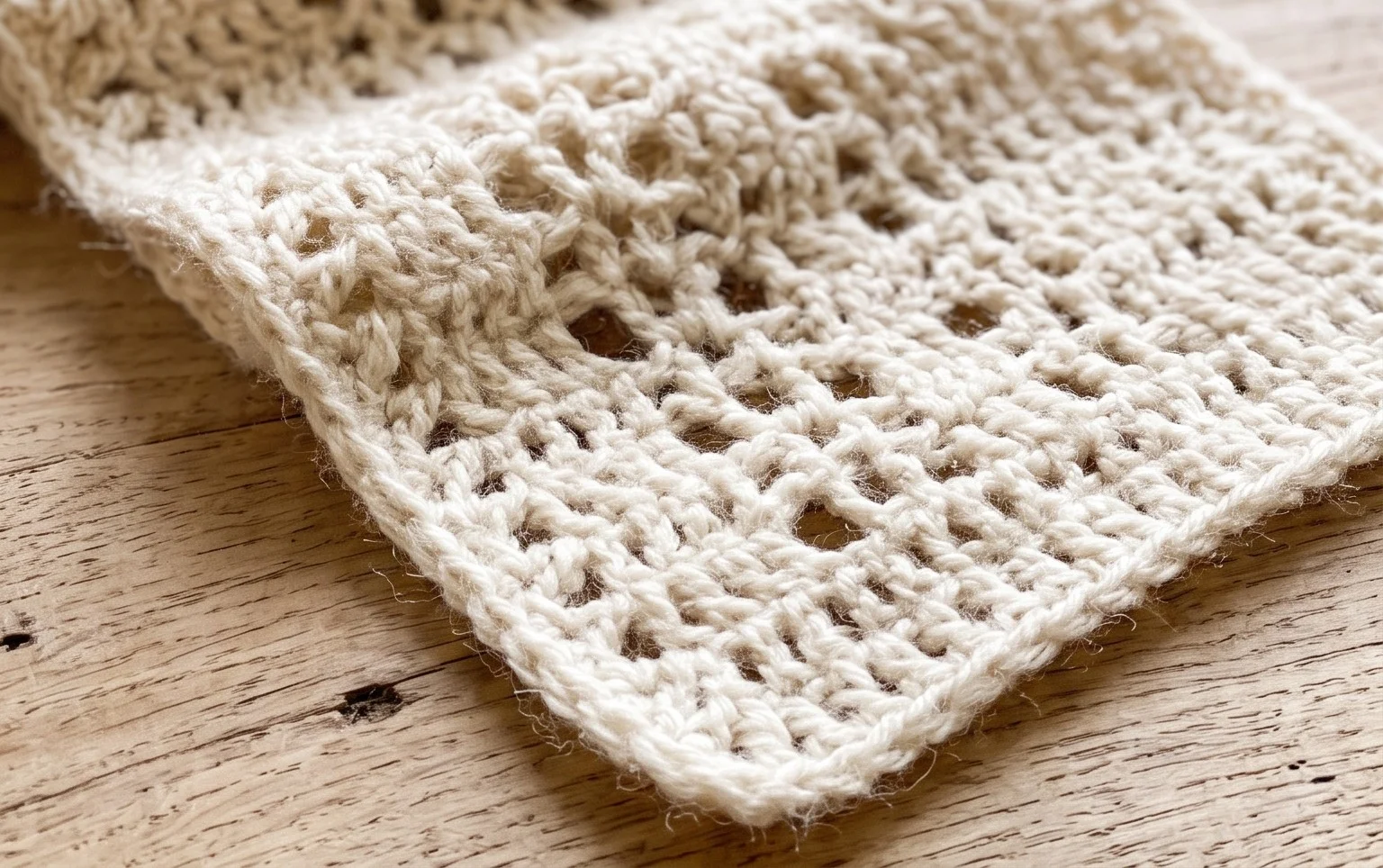
Your finished wrap brings a touch of handmade comfort to any outfit, especially when layered over a denim jacket or a simple sweater. You can easily adjust the width by adding extra foundation chains or swap the fiber for a soft bamboo blend to create a lighter, summer-ready version. Posting a photo of your work on your favorite social media platform helps other crafters find their next project. You can find more free patterns and seasonal ideas by browsing through the archives on our main blog page.