22 Free Heart-Themed Knitting Patterns for Every Skill
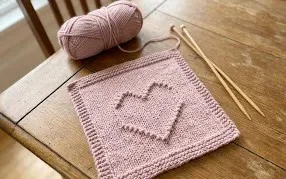
Soft cotton, tidy single-crochet stitches, and a small square shape make a washcloth a satisfying project to work on over a few quiet evenings. This beginner-friendly cloth has a simple texture, a neat border, and a useful place beside the kitchen or bathroom sink. The heart-themed knitting projects in this collection offer more ways to bring that same handmade warmth into your home and gift making, from small keepsakes to cozy decorations. You’ll find ideas suited to new makers as well as knitters ready to try a fresh motif. The patterns introduce techniques such as shaping, color changes, and textured stitches, with clear guidance to help you choose a project and enjoy the making. A finished piece can be a thoughtful present, or a small reminder of the care that went into every stitch.
Why You’ll Love This Pattern
A cotton crochet washcloth is useful at the sink, easy to wash, and small enough to finish in a few relaxed evenings. This square is made in single crochet rows, so you can focus on keeping the edges straight rather than learning a complicated stitch pattern.
The simple texture works well with solid or gently variegated cotton. It is also a practical way to use leftover worsted-weight cotton, provided you have enough yarn to complete the cloth and its border. Make a matching set for a housewarming gift or keep one beside the kitchen sink.
The rows were easy to follow, and I liked how the cotton made a sturdy cloth that still felt soft after washing.
— Maya, home crocheter
Pattern Overview & Skill Level
- Skill Level: Beginner. You need to chain, single crochet, and turn your work.
- Approximate Time: About 2–3 hours, depending on your pace and tension.
- Construction: Worked flat in rows from the bottom edge upward, then finished with a single-crochet border around all four sides.
- Finished Dimensions & Sizing: Approximately 7 × 7 inches (18 × 18 cm), including the border. The exact size depends on your gauge and cotton yarn.
Gauge: 16 single crochet stitches and 18 rows measure 4 inches (10 cm) after light washing and drying flat. Gauge matters because a very loose cloth may feel floppy, while a tight one may be stiff. Change hook size if needed to get a fabric you like, then measure your finished cloth before adding the border.
Materials & Supplies Needed
- Yarn: About 75 yards (69 m) of worsted-weight cotton yarn, category #4. Use one color, or change colors at row ends if you have smaller leftovers.
- Hook Size: 5.0 mm / H-8 crochet hook. Use the hook that gives you an even, absorbent fabric at the stated gauge.
- Notions: Tapestry needle for weaving in ends, scissors, and a ruler or tape measure. A stitch marker is optional for marking the first border corner.
- Substitutions: Choose 100% cotton or a cotton-rich yarn intended for frequent washing. A thinner cotton will make a smaller, finer cloth; a thicker cotton will make a larger, heavier one and use more yarn. Acrylic can feel less absorbent and may not suit a dishcloth used for drying.
Stitch Guide & Abbreviations (US Terms)
- ch: Chain. Yarn over and pull through the loop on the hook.
- sc: Single crochet. Insert the hook into the stitch, yarn over and pull up a loop, yarn over and pull through both loops.
- sl st: Slip stitch. Insert the hook into the stitch, yarn over, and pull through the stitch and the loop on the hook. Use this to join the border.
- st(s): Stitch or stitches.
- turn: Turn the work so you can crochet back across the row.
The turning chain does not count as a stitch in this pattern. Work the first single crochet of each row into the first stitch after turning. This keeps the stitch count at 30 across every row.
Step-by-Step Pattern Instructions
Washcloth
Chain 31. The foundation chain includes one extra chain for turning, leaving 30 stitches to work across.
- Row 1: Sc in the second ch from the hook and in each ch across. Turn. (30 sts)
- Rows 2–30: Ch 1, sc in each st across. Turn. Repeat for 29 rows. (30 sts per row)
After Row 30, fasten off and leave a tail long enough to weave in with a tapestry needle. The cloth should form a square of roughly 6½ inches before the border. If it is much taller or wider, check that you have counted the same number of stitches on every row.
Border
Join the yarn with a sl st in any corner. Ch 1, then work sc evenly around the cloth. Along the top and bottom, work one sc into each stitch. Along each side, space 30 sc across the 30 row ends, adjusting slightly if the edge puckers or flares. Work 3 sc in each corner to help the border turn neatly.
When you reach the first sc, join with a sl st to that stitch. Fasten off and weave in the yarn tails on the wrong side, passing the needle through several stitches before trimming. The border does not have a fixed stitch total because the side spacing can vary with row height; keep the fabric flat as you work. If an edge curls inward, add a little more space along that side on the next pass. If it ruffles, use fewer stitches there.
Care & Washing Instructions
- Wash cotton in a warm machine wash, around 40°C (104°F), or follow the temperature on the yarn label.
- Dry flat or tumble dry on low if the yarn label allows; reshape the square while it is damp.
- Block lightly by smoothing the corners and edges into shape. Avoid stretching the cloth, which can loosen the stitch fabric.
Pro Tips & Common Mistakes to Avoid
- Keep your tension even, especially in the foundation chain. If it is much tighter than the rows, use a slightly larger hook for the chain alone.
- Count the 30 stitches at the end of each row. A marker in the first stitch can help you spot the last stitch when turning, where beginners often accidentally lose one.
- Weave in ends on the wrong side with a tapestry needle, following the direction of several stitches. Change direction once before trimming so the tail is less likely to work loose in the wash.
- To make a larger cloth, add an even number of chains and work the same number of single crochet stitches across, then add rows until the fabric is square. A larger cloth uses more yarn and takes longer to dry.
Frequently Asked Questions
Can I use a different kind of yarn?
Yes, but cotton is a good choice for a cloth that needs to absorb water and handle frequent washing. A cotton blend may work if its care instructions suit your needs. Changing yarn thickness will change the finished size and texture, so make a small swatch first.
How can I make the washcloth smaller or larger?
Change the starting chain to adjust the width, then add or remove rows to reach your preferred height. For a square, aim for the height to match the width before adding the border. A larger cloth requires additional yarn; a smaller one uses less.
Is this pattern suitable for a first crochet project?
Yes. It uses chains and single crochet stitches in straight rows, with no shaping. Take care to count 30 stitches on each row and check that the first and last stitches are easy to see before turning.
May I sell washcloths made from this pattern?
You can sell finished items if the designer’s terms allow it. Check the pattern’s usage terms before selling, and describe the item accurately. Do not claim authorship of someone else’s written pattern.
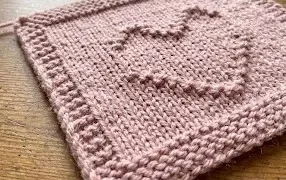
A handmade heart brings a personal touch to a gift or a favorite corner of your home, and finishing one is a lovely reason to pick up your needles or hook. Change the palette to suit the recipient, or use leftover yarn to make a smaller version that works as an ornament or keepsake. If you make one of these projects, share a photo on Pinterest or your other social media so fellow makers can see your colors and details. Then browse the blog for more free patterns, including practical cotton projects you can use around the house.