Free Layering Hooded Vest Pattern: Beginner Crochet Guide
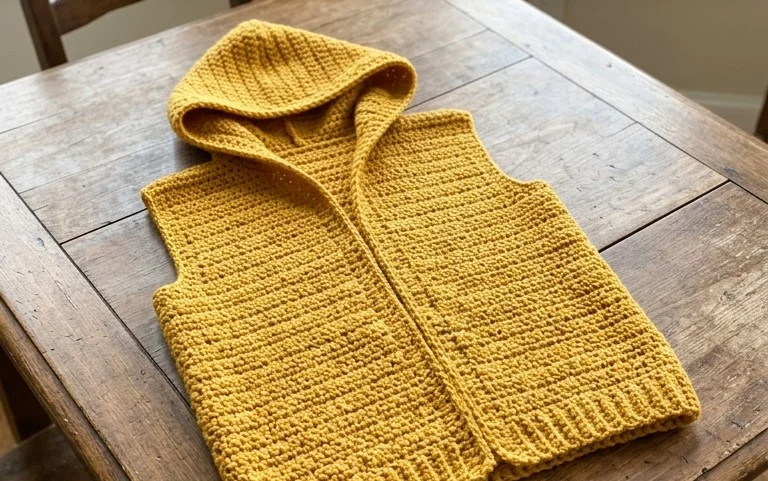
A warm, oversized hood combined with a sleeveless silhouette makes this garment a staple for chilly mornings and transitioning between seasons. You will find that the yarn drapes softly against your shoulders, providing just enough weight to feel cozy without restricting your movement. This project relies on simple half-double crochet stitches that grow quickly, meaning you can finish the back and two front panels in just a few weekends. It is a rewarding experience for anyone who wants to build confidence with garment construction while creating a functional piece that fits perfectly over your favorite long-sleeved shirts.
Why You’ll Love This Pattern
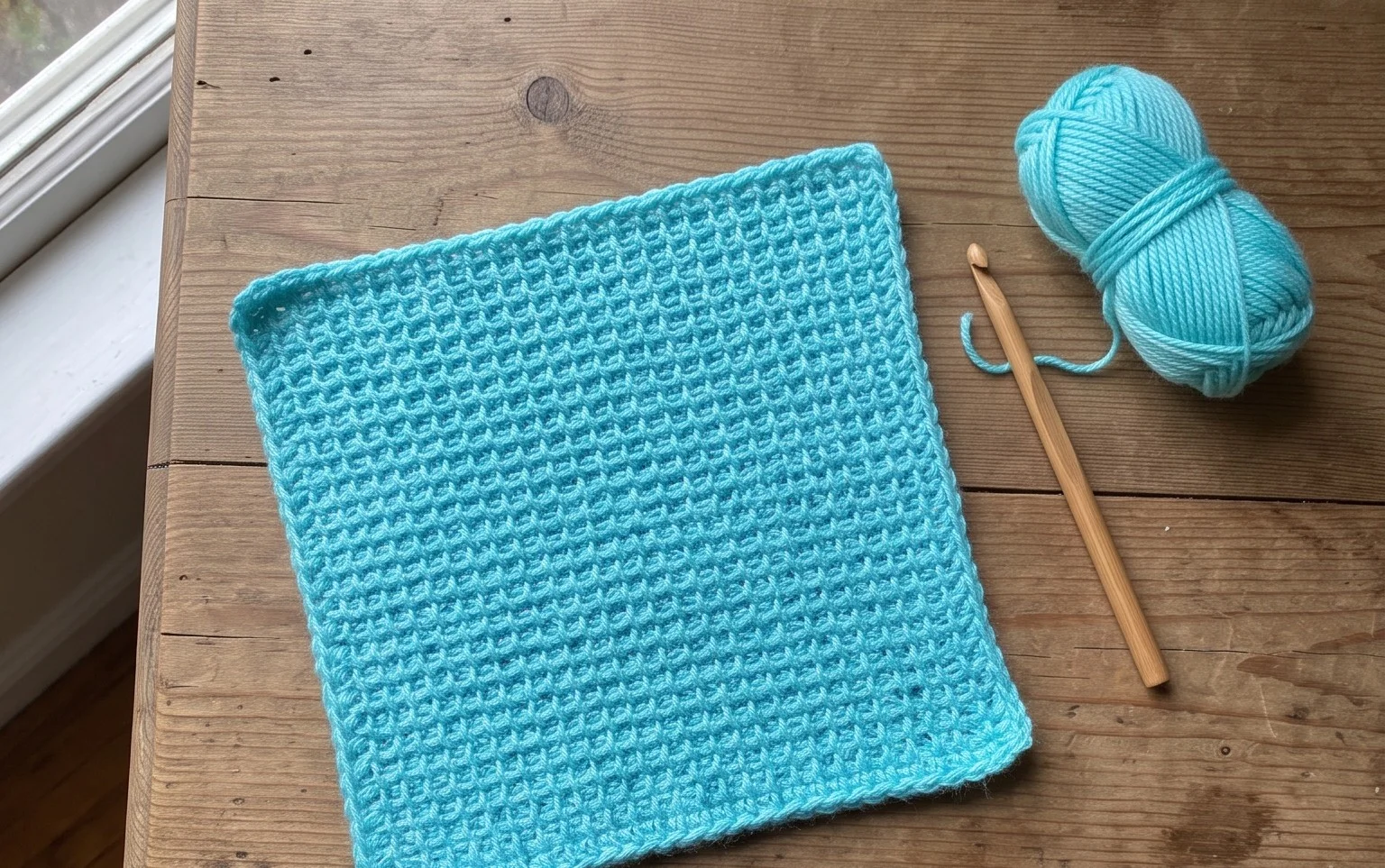
The Classic Crochet Cotton Dishcloth provides a satisfying, rhythmic project that works up quickly using simple, fundamental stitches. This design relies on a textured grid that excels at scrubbing surfaces without scratching delicate glassware or non-stick pans. You can complete one of these cloths in a single evening, making them a practical choice for clearing out your yarn stash. Because they are machine washable and durable, they function as a reliable replacement for disposable paper towels or synthetic sponges.
I managed to finish three of these in one weekend while watching movies. The texture is much better than the store-bought versions because the cotton holds soap so well.
— Sarah, home crafter
Pattern Overview & Skill Level
- Skill Level: Beginner
- Approximate Time: 1 to 1.5 hours
- Construction: Flat square worked in rows, finished with a simple border
- Finished Dimensions: 8 inches by 8 inches
Materials & Supplies Needed
- Yarn: Worsted weight (#4) 100% cotton yarn, approximately 60 yards per dishcloth.
- Hook Size: 5.0 mm (US H-8).
- Notions: Tapestry needle for weaving in ends, scissors, and optional stitch markers.
- Safe yarn substitutions: You may use a cotton-acrylic blend, though pure cotton is superior for absorbency and heat resistance. Changing to a lighter yarn weight will result in a smaller cloth unless you increase your starting chain count.
Stitch Guide & Abbreviations (US Terms)
- ch = chain
- st/sts = stitch/stitches
- sc = single crochet
- dc = double crochet
- sl st = slip stitch
- sk = skip
- turn = turn your work at the end of the row
- Special Stitch: Seed Stitch (alternating sc and dc across the row to create a bumpy, absorbent surface).
Step-by-Step Pattern Instructions
Dishcloth Body
Begin by making a slip knot and placing it on your hook.
- Row 1: Ch 30. Sc in the second ch from hook and in each ch across. (29 sts)
- Row 2: Ch 1, turn. Sc in the next st, dc in the next st. Repeat from * to * until 1 st remains, sc in the last st. (29 sts)
- Row 3: Ch 1, turn. Dc in the next st, sc in the next st. Repeat from * to * until 1 st remains, dc in the last st. (29 sts)
- Rows 4–30: Repeat Rows 2 and 3 until the piece measures approximately 8 inches from the starting edge.
Border & Finishing
- Do not cut the yarn after the final row.
- Ch 1, turn your work 90 degrees to work along the side edge.
- Work sc evenly along the sides, placing 3 sc in each corner to ensure the fabric lays flat.
- Join with a sl st to the first sc of the round.
- Fasten off, leaving a 6-inch tail. Use your tapestry needle to weave the tail into the back of the fabric to secure it.
Care & Washing Instructions
- Machine wash on a warm setting (up to 140°F) to ensure cleanliness.
- Tumble dry on low heat or lay flat on a towel to air dry for best shape retention.
- If the cloth becomes misshapen after drying, dampen it lightly with water, pull into a perfect square, and let it dry on a flat surface.
Pro Tips & Common Mistakes to Avoid
Maintain consistent tension throughout the project to keep the edges straight; if your hands feel tight, take a short break to prevent the cloth from pulling inward. Use a stitch marker in the first and last stitch of every row if you find your stitch count drifting. Weave your ends in multiple directions—horizontally and then vertically—to prevent them from unraveling during frequent wash cycles. To make your dishcloth larger, add more chains to your starting row in increments of two, but remember that this will require additional yardage beyond the standard 60 yards.
Frequently Asked Questions
Can I use a different yarn fiber for this project?
While you can use acrylic yarn, it will not absorb water well and may melt if used near high-heat surfaces. Stick to 100% cotton or linen for the best functional results in the kitchen.
Why are the edges of my dishcloth curling?
Curling usually happens if your tension is too tight or if you have skipped stitches at the ends of the rows. Ensure you are counting your stitches at the end of every row to maintain exactly 29 stitches.
Is this pattern suitable for someone who has never crocheted before?
Yes, this is an ideal starter project. It uses only two basic stitches and requires no complex shaping or assembly, allowing you to focus on developing even tension.
Am I allowed to sell the dishcloths I make from this pattern?
You are welcome to sell finished items made from this design. Please credit the original pattern designer when listing them online or at craft fairs.
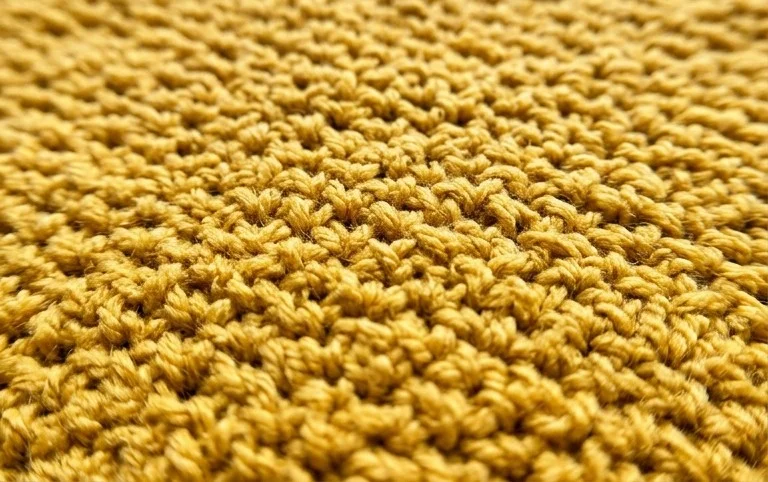
Your finished garment will serve as a reliable companion during crisp walks or quiet evenings spent reading by the window. You might consider working this design in a variegated wool for a rustic appearance or adding a decorative toggle button near the neckline for extra security. Sharing a photo of your progress helps others find inspiration for their own handmade wardrobes. Please visit the rest of our pattern library for more project ideas that utilize common stitches and help you improve your skills throughout the year.